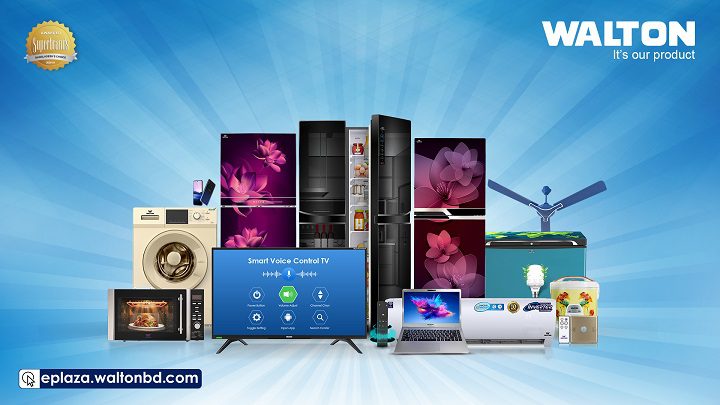



Bangladesh’s electronics industry is facing significant pressure due to policy inconsistencies, tariff distortions and discriminatory government procurement practices, warned SM Mahbubul Alam, Managing Director of Walton Hi-Tech Industries PLC.
He cautioned that if these issues remain unaddressed, both domestic and foreign investments will be adversely affected, hindering the nation’s broader efforts to expand exports.
SM Mahbubul Alam made these remarks on Thursday (December 4) during a dialogue hosted at the Bangladesh Investment Development Authority (BIDA) office in Agargaon, Dhaka. More than fifty business leaders and industrial entrepreneurs from various sectors participated in the discussion.
Addressing the session, the Walton MD highlighted that the current SROs have failed to establish a clear distinction among importers, assemblers and manufacturers, although each tier contributes differently in terms of value addition. He said, “When the policy does not recognize the value addition of local manufacturing, investors lose confidence. This makes long-term investments uncertain.”
Read more: The New Hyundai CRETA Grand, 7-seater Luxury SUV: Bolder Design, Bigger Presence in Bangladesh
SM Mahbubul Alam pointed to specific examples of tariff disparities, particularly the case of refrigerator glass shelves. Semi-finished glass shelves can be imported at 0 percent duty, while raw materials required to produce them locally incur a 45 percent duty. He stated that such imbalances directly discourage domestic production and could push Bangladesh back toward dependency on imported goods.
He also criticized discriminatory practices in government procurement. Under PPR and PWD classifications, foreign brands receive an A category listing, while domestic brands are placed in the B category. This is the case even though Bangladesh-made ACs, lifts, cables and other electronic products meet international standards and are exported worldwide. Expressing concern, he said, “It is unfair that we face obstacles even to participate in tenders in our own country.”
Read more: Akij Cement Marks 24th Year with New ‘Cement A Lohar Shakti’ Campaign
In the global market, Bangladeshi products are also facing unequal competition. Due to the no implementation of the SAFTA agreement, exporters must pay 20 percent duty on Bangladeshi ACs and 5 percent duty on refrigerators when exporting to Sri Lanka. In contrast, India, under the SAFTA plus facility, can export similar products at zero duty. He added that such unequal trade structures are putting Bangladeshi products at a disadvantage in international competition.
Walton MD emphasized that without urgent policy reforms, rationalization of the tariff structure and equal opportunities in government procurement, Bangladesh’s fast-growing electronics sector will face serious challenges in attracting investment and increasing exports.
Source: The Business Standard